Understanding the Balance of Luck and Skill
The world of gambling is often perceived as a blend of luck and skill, where the two components play vital yet distinct roles in determining the outcome of games. Luck is typically viewed as the random element that can swing results unexpectedly, while skill involves the strategic decision-making abilities of the player. In many casino games, particularly those based on chance, luck is paramount. For example, in games like slots or roulette, players have little control over the outcome, relying instead on favorable results purely by chance. Additionally, exploring various bitcoin betting sites can provide players with unique opportunities to enhance their gaming experience, creating an intriguing environment where anticipation and excitement coexist.
Conversely, in games such as poker or blackjack, players can leverage their skills to improve their odds. Understanding game mechanics, applying strategic betting, and reading opponents can lead to more favorable outcomes. A skilled poker player who can read body language and calculate probabilities will likely outperform a novice player, illustrating the significant impact that skill can have on success in a casino environment. This interplay makes for a fascinating dynamic where both elements coexist, often making the difference between winning and losing.
Ultimately, the balance between luck and skill varies among different casino games. While luck can provide an initial advantage or setback, it is often the player’s skill that shapes long-term success in more strategic games. This factor is crucial for those looking to engage deeply in gambling, as developing a skill set can enhance enjoyment and increase the likelihood of a profitable experience over time. Players who invest time in honing their skills often find that their ability to navigate the complexities of gameplay leads to more consistent success.
The Role of Luck in Gambling
Luck is an undeniable factor in the realm of gambling, often serving as the foundation upon which many games are built. In pure games of chance, such as roulette, dice games, or lotteries, players have no control over the outcome. The results are entirely based on random events, and as such, luck becomes the sole determinant of success. This randomness is what keeps these games exciting and unpredictable, enticing players who enjoy the thrill of risk and reward. The allure of hitting a jackpot or winning a significant bet purely by chance captivates many gamblers, making luck an essential part of the gaming experience.
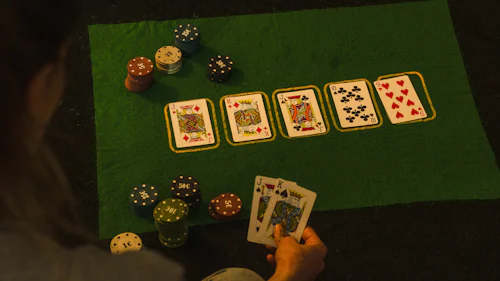
Furthermore, even in skill-based games, luck can still play a significant role, influencing the flow and outcome of a session. For instance, in poker, while strategy and skill are fundamental, a fortunate hand or a well-timed bluff can turn the tide of a game. Players might find themselves on a lucky streak, where they continuously draw advantageous cards or make successful bets. Such moments highlight how luck can enhance the gambling experience, leaving players feeling exhilarated and motivated to continue playing. This blend of chance and skill creates a compelling narrative that keeps players engaged.
However, the reliance on luck also comes with a downside. It can lead to the phenomenon of “gambler’s fallacy,” where players believe that their luck will change based on previous outcomes. This psychological component can sometimes lead to poor decision-making and increased losses. Therefore, while luck is essential in gambling, players must maintain a rational approach to their gameplay, understanding that luck is ephemeral and can turn at any moment. Recognizing the role of luck encourages players to adopt a balanced perspective that integrates both excitement and caution.
The Importance of Skill in Casino Games
While luck has its undeniable place in casino success, skill often acts as a game-changer, particularly in games that require strategy and decision-making. For instance, in blackjack, the ability to count cards or understand the odds can lead to a significant advantage over the house. Skilled players who can stick to optimal strategies and make calculated decisions can reduce the house edge and turn the odds in their favor. This skill-based approach is what separates casual players from seasoned professionals, demonstrating that mastery of the game is key to long-term success.
Moreover, the learning curve involved in skill-based games adds an additional layer of interest and depth. Players can improve their skills over time through practice and experience. Many casinos even offer resources or competitions that allow players to enhance their understanding of various games, encouraging them to develop strategies and refine their techniques. This environment not only creates a more engaging gaming experience but also cultivates a community of knowledgeable players who can share strategies and insights. The continuous pursuit of skill development fosters a culture of excellence among players.
Ultimately, skill in gambling enhances not just the potential for winnings but also the enjoyment of the game. Engaging with games at a deeper level allows players to experience the thrill of competition, making strategic decisions that can lead to victory. This dynamic illustrates that while luck may decide individual outcomes, skill is often what drives sustained success in the realm of casinos. Players who embrace the challenge of improving their skill set often find themselves reaping the rewards in both enjoyment and financial returns.
The Impact of Player Psychology
The psychological elements of gambling significantly influence how luck and skill manifest in casino success. Understanding one’s mindset can be pivotal in navigating the highs and lows of gambling. For example, a player on a winning streak may become overly confident, leading to reckless bets fueled by the surge of luck. Conversely, a player experiencing a losing streak may fall into despair, affecting their decision-making process and potentially amplifying losses. This psychological dance between confidence and caution reveals how mental fortitude can impact gameplay. Recognizing these psychological triggers is crucial for maintaining a balanced approach to gambling.

A skilled player often possesses a strong discipline that allows them to manage their emotions effectively during play. Recognizing when to walk away, how to stay focused, and understanding the importance of bankroll management are skills that can greatly influence outcomes. Moreover, the ability to remain calm in the face of a string of bad luck can prevent impulsive decisions that could lead to further losses. Therefore, player psychology is a crucial aspect, intertwining with both luck and skill. Developing emotional intelligence can be a significant advantage in the unpredictable landscape of gambling.
Additionally, the social aspect of gambling can further complicate the psychological landscape. Engaging with other players can create a shared experience that can amplify both luck and skill dynamics. Whether it’s friendly banter at a poker table or collaborative strategies in a tournament, the influence of social interaction can enhance enjoyment and even improve performance. Understanding this social element can help players leverage their skills and navigate the unpredictable nature of luck within the casino setting. The community aspect of gambling can provide support and motivation, enhancing the overall experience.
Exploring Resources for Casino Enthusiasts
For those interested in delving deeper into the world of casinos, numerous resources are available to enhance both luck and skill. Online platforms, tutorials, and workshops provide valuable insights into various games, allowing players to learn strategies and improve their gameplay. Many websites even offer simulations or practice games where players can refine their skills without the risk of financial loss, making it an excellent option for beginners. Engaging with these resources can empower players to approach gambling with a more informed perspective.
Furthermore, engaging with communities of fellow casino enthusiasts can provide additional support and knowledge. Forums and social media groups dedicated to gambling are rich with shared experiences, strategies, and discussions about luck and skill dynamics. By tapping into this collective knowledge, players can gain insight into effective techniques and approaches that others have found successful. These interactions can create a sense of camaraderie among players, fostering an environment where knowledge and strategies are freely exchanged.
Ultimately, the journey in the casino landscape is a personal one that blends luck and skill uniquely for each player. By leveraging available resources and actively seeking to improve one’s skills, casino enthusiasts can enhance their experiences and increase their chances of success in the long run. Understanding this interaction between skill and luck is essential for anyone looking to navigate the exciting yet unpredictable realm of casinos effectively. Players who prioritize both aspects are more likely to enjoy a fulfilling and potentially profitable gambling experience.